
白领罪行与洗钱:每一位个人和企业主都应该知道的事
白领罪行,又称商业罪行,是指以谋取金钱利益为目的、不涉及暴力的罪行,通常发生在商业、专业或金融环境中。常见的例子包括欺诈、背信、贪污、投资骗案、网络诈骗和逃税。
被传召问话 反洗钱调查中的权利与义务
试想一下,你收到马来西亚反贪污委员会(反贪会)、警方、证券委员会或国家银行的来信,要求你就一宗洗钱案件出席问话。你可能是经手相关户口的银行职员、曾收到转帐的亲人、生意伙伴、会计师,甚至只是曾把车子卖给被调查者的普通人。处于这种情况的人,大多数都不是嫌疑人,而是证人。然而,法律依然对他们施加了相当严格的义务。
金融情报的幕后运作:国家银行如何根据反洗钱法令收集及分享资讯
大多数人从不会去想,存入一大笔现金或汇款到海外之后会发生什么事。然而,在柜台背后,有一套系统正在运作。银行、保险公司、货币兑换商、律师及许多其他商家,都依法必须留意不寻常的交易并作出举报。
的调查权:关于问话、搜查、扣押及冻结令,您需要了解的事项.jpg)
马来西亚反贪会(MACC)的调查权:关于问话、搜查、扣押及冻结令,您需要了解的事项
深入了解马来西亚反贪污委员会(MACC)根据2009年反贪污委员会法令所拥有的调查权力,包括讯问、搜查、扣押及冻结令,以及MACC官员的职责与豁免权。
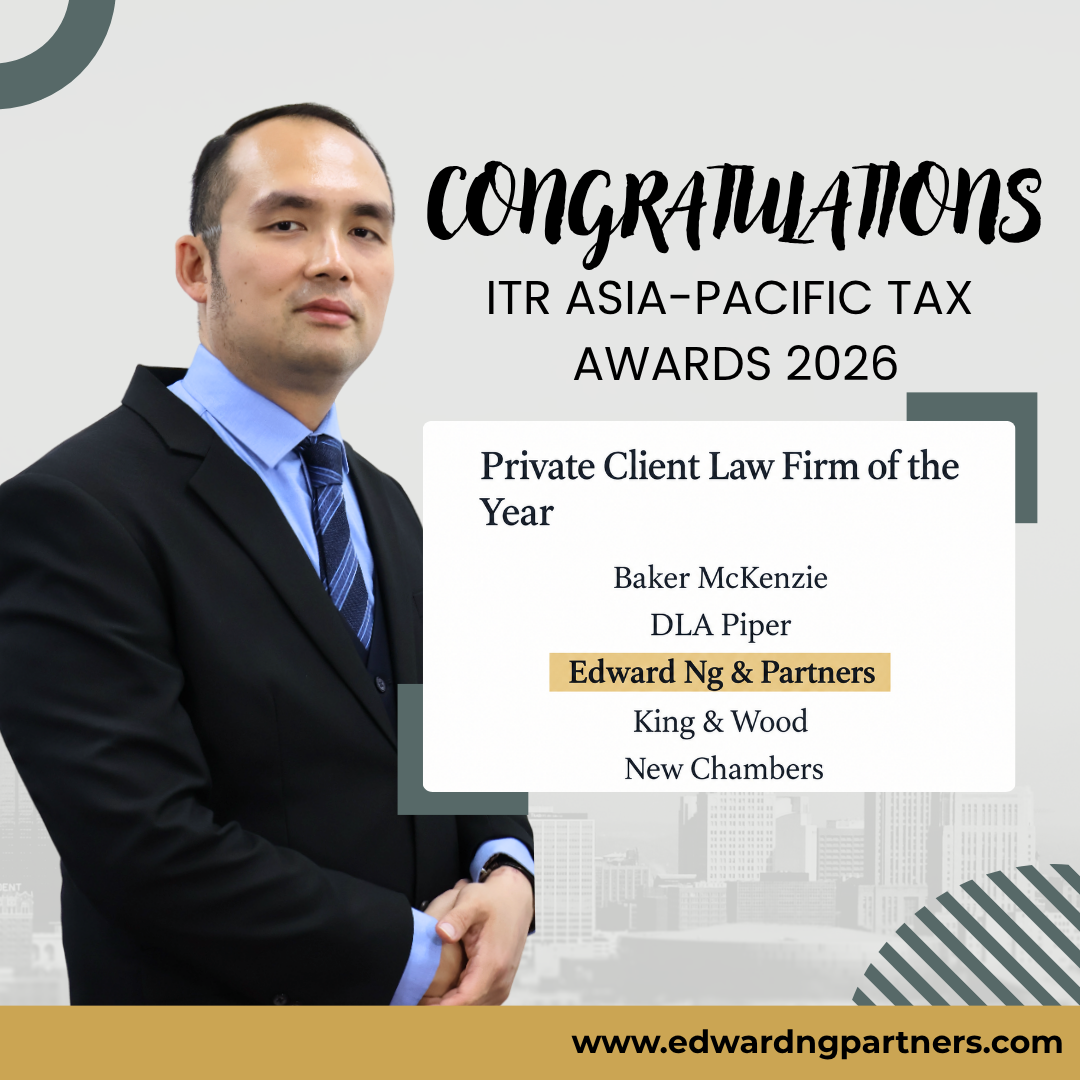
2026年 ITR 亚太税务大奖
我们荣幸入围由《International Tax Review》(国际税务评论)主办的2026年ITR亚太税务大奖(ITR Asia-Pacific Tax Awards 2026)年度私人客户法律事务所(Private Client Law Firm of the Year)奖项类别。
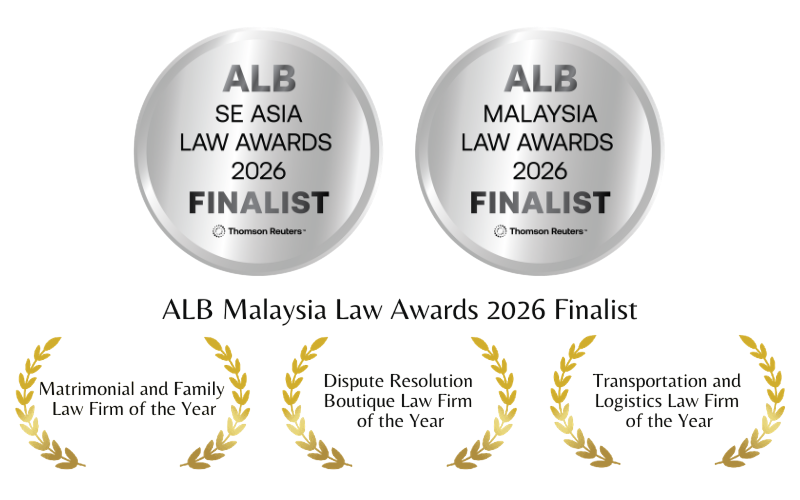
2026年 ALB 马来西亚法律大奖
我们荣幸宣布,爱德华·黄律师事务所已荣幸入围由《Asian Legal Business》(Thomson Reuters 旗下出版物)主办的2026年ALB马来西亚法律大奖(ALB Malaysia Law Awards 2026)最终入围名单。
2026年 ALB 东南亚法律大奖
我们荣幸宣布,爱德华·黄律师事务所已入围2026年ALB东南亚法律大奖(ALB SE Asia Law Awards 2026)年度婚姻与家事律师事务所(Matrimonial and Family Law Firm of the Year)奖项类别。这是我们专业法律团队值得骄傲的里程碑。

上游罪行必须被证实吗?从赛沙迪案及近期其他洗钱案件汲取的教训
在马来西亚的洗钱案件中,上游罪行无须先被定罪,但控方仍须证明有关款项是黑钱。联邦法院在赛沙迪案中的判决,正好说明了控方无法证明时会有什么结果。


域外效力 (英国案例)
申请人是一对定居于英格兰的夫妇,他们在乌克兰签订了一份代孕协议。代孕母亲是一名已婚乌克兰女性,她接受了胚胎植入,该胚胎由男方申请人的精子与一名匿名捐赠者的卵子结合而成。根据乌克兰法律,申请人自孩子出生起即为法律上的父母;然而,依据英国《1990年人类受精与胚胎学法案》,代孕母亲及其丈夫才是法律上的母亲与父亲。这导致了一种“严峻”的局面:这对双胞胎实际上处于既无国籍又无父母的状态,滞留在乌克兰,直至获准获得酌情许可进入英国以进行相关法律程序。

Firma Kami Mewakili Salah Seorang daripada Empat Warga China dalam Kes Penculikan Lelaki Singapura di Pulau Pinang
Empat warga China, termasuk seorang wanita, didakwa menculik lelaki Singapura berusia 72 tahun di Lapangan Terbang Antarabangsa Pulau Pinang. Kesemua…

Our firm represented in case for Chinese nationals who claim trial over kidnapping of Singaporean man in Penang
Four Chinese nationals, including a woman, have claimed trial over the alleged kidnapping of a 72-year-old Singaporean man at Penang…

本所代表中国籍被告涉绑架新加坡男子案在槟城面控
四名中国籍嫌犯,包括一名女子,被控涉嫌在槟城国际机场绑架72岁新加坡男子,四人均不认罪。法庭拒绝所有保释申请,案件定于2026年10月15日提交文件。

收到BSK调查信才发现:养了12年的孩子,突然变成穆斯林
案件中的夫妻都是华人,双方年纪接近40岁时仍然没有孩子,一直希望能够拥有自己的孩子。后来,在朋友介绍下,他们认识了一名年轻的马来女子。当时这名女子未婚生下孩子,并将孩子交给这对夫妇抚养。对于一对长期渴望孩子的夫妻而言,能够突然拥有一个孩子,自然把孩子视为上天赐给他们的礼物。当时他们并不了解其中涉及的宗教、出生登记以及法律问题,也没有意识到穆斯林母亲所生的孩子,会进一步涉及穆斯林身份以及非穆斯林家庭抚养方面的法律问题。

养了12年的华人孩子,BSK调查后竟变身穆斯林?血泪教训曝光
12年的幸福,一通电话就变了调,华人夫妇好不容易求得一个孩子,为何在孩子办身份证的那一天,人生突然天翻地覆?案情回顾,夫妻俩年近40求子心切,经朋友介绍收养一名未婚先孕马来女孩所生的婴儿,图方便直接虚报为亲生子女,安稳度过12年。破绽浮现,孩子办MyKad时,柜台官员察觉孩子样貌与”父母”出生证明不符,案件被转介到BSK(国民登记局调查部门)。
出生的孩子,没有马来西亚报生纸,也能在马来西亚合法领养吗?.jpg)
中国(外国)出生的孩子,没有马来西亚报生纸,也能在马来西亚合法领养吗?
一对马来西亚夫妇,因为长期照顾一名在中国出生的女孩,决定正式通过法律程序把她领养为自己的孩子。然而,当他们满怀希望向法院申请领养令时,却因为一个看似简单、却极具争议的程序问题,被地庭驳回申请。案件最终上诉至槟城高等法院,而高等法院的判决,也重新厘清了外国出生儿童在马来西亚申请领养时,一个非常重要的法律问题:没有马来西亚出生证,是否就意味着孩子无法被合法领养?

养了20年的孩子,为什么直到19岁申请领养,法院还是说 “不可以” ?
一名孩子从一个月大开始,就一直由同一个家庭抚养长大。他在这个家庭里生活了整整20年,接受的是华人的文化、习俗和家庭教育。对养母而言,这个孩子早已是自己的家人。然而,当她终于决定通过法律程序正式领养这个孩子时,却发现自己面对的并不是简单的手续问题,而是一道几乎无法跨越的法律门槛。 案件中的PEN是一名57岁的寡妇,同时也是一名商人,本身已经育有7名孩子。大约20年前,她家中的一名印尼籍女佣生下了一名男婴KAL。根据PEN的说法,女佣在孩子出生后不久便离开,此后一直没有任何消息。

养了12年的孩子,办MyKad时才发现是“无国籍”:领养真的等于自动获得马来西亚国籍吗?
想象一下,一对夫妻含辛茹苦抚养一个孩子12年,一直把他当成自己的亲生骨肉。直到孩子年满12岁,准备前往国民登记局(NRD)申请MyKad时,父母才突然被告知:这个孩子的公民身份出现问题,甚至可能被视为无国籍人士。对于一个从小在马来西亚成长的孩子来说,这意味着未来的教育、医疗、就业、结婚以及其他日常生活,都可能面对身份上的障碍。 那么,如果孩子已经通过法院取得合法的领养令,而养父母又都是马来西亚公民,孩子是否就会自动成为马来西亚公民?这宗案件,正好说明了为什么答案并没有这么简单。

父亲是马来西亚公民、1岁多拿过大马护照,为什么长大后却被认定为 “非公民” ?
一个孩子出生在怡保中央医院,父亲是马来西亚公民。从小,他在马来西亚接种疫苗、接受教育,甚至在一岁多的时候就已经取得马来西亚护照,并曾经使用护照前往砂拉越。然而,当他8岁、就读小学二年级时,一次普通的文件补办,却让他的身份突然发生了巨大的变化:原本的出生证明上,公民身份一栏被改成了“非公民”(Bukan Warganegara)。

被遗弃在巴士站的一岁女孩,30年后为何仍无法成为马来西亚公民?
本案其中一个最关键的问题,是这名女孩当年被发现时究竟多大。根据警方报告,她被发现时大约一岁半;后来进行的医疗评估则认为她大约一岁。这个年龄上的差异,在一般人的眼中可能并不重要,但在宪法下却可能成为决定公民身份的关键。 联邦宪法第二附录第19B条文针对被遗弃的新生儿设有一项重要的推定机制。简单来说,如果一名新生儿被发现遭到遗弃,法律可以在特定情况下推定其母亲为当地居民,从而帮助解决弃婴无法确认亲生父母身份的问题。对许多弃婴而言,这项规定可能成为取得公民身份的重要法律保障。

养了12年的女儿,为什么一办MyKad就被质疑不是公民?
如果一名孩子从小就在马来西亚长大,拥有一张印有“Warganegara”(公民)字样的出生证,并由同一个家庭抚养了整整12年,那么父母自然会认为孩子的身份已经确定。然而,本案却揭示了一个令人震撼的现实:当孩子在2013年申请MyKad时,仅仅因为她的肤色和五官特征与出生证上登记的母亲明显不同,JPN便对她的出生登记产生怀疑,而这次看似普通的身份证申请,最终揭开了隐藏超过十年的身世问题。

有公民报生纸,却在12岁办理MyKad时失去公民身份:一宗 “虚假出生登记” 引发的国籍案件
本案涉及一名于2009年在雪兰莪巴生一家医疗中心出生的男婴LWO。孩子出生时,一对马来西亚夫妇在办理出生登记时作出了一个关键但错误的决定:他们向登记当局谎称自己就是孩子的亲生父母。基于这项虚假登记,孩子随后取得了一张标明“Warganegara”(公民)的出生证,并在马来西亚以公民身份生活了12年。

22岁才发现身份出了问题:出生证、MyKad与马来西亚公民身份的法律警示
如果一个人在马来西亚出生,从小持有马来西亚出生证,12岁领取MyKad,后来顺利完成学业甚至大学毕业,大多数人都会理所当然地认为,这个人的马来西亚公民身份已经确定。然而,Elaine Leong Ee Ling(以下简称“E女士”)的案件却说明,一个人从小拥有的身份证明文件,并不一定意味着其出生登记及国籍身份在法律上永远不会受到质疑。

公民权之法庭申请途径分析
📌 领养弃婴与虚报报生纸的隐患一对夫妇领养弃婴后在报生纸上谎称“亲生父母”,看似图方便的决定,却为日后身份申请埋下了法律定时炸弹。1)办理 MyKad 暴露身世:孩子 12 岁前往国民登记局(JPN)申请身份证时,在官员盘问下揭发真实身世。2) 法庭合法领养程序:父母通过律师完成法庭领养程序并顺利取得领养令,但拿到领养令是否意味着公民权就稳了?

公民权之申诉与再申请机制探讨
📌 争取公民权的两条途径无论是出生即无国籍,还是登记时因虚报遭 BSK 调查而被褫夺公民权,救济与争取的合法途径只有两种。1) 向 JPN 提交申请:前往各州 JPN 办公室或布城(Putrajaya)总部递交申请表格。2) 向法庭提告(打官司):通过法律诉讼程序向法院提告并争取公民权。

国民登记局(JPN)调查与执行部门(BSK)职能与调查范围分析
2026年6月1日起,第15A条公民权申请的年龄上限从21岁下调至18岁! 今天一篇讲清楚新政策的影响 新政策是什么? 联邦宪法第15A条公民权申请年龄,从21岁降至18岁。2026年6月1日起生效。 这是为了与《2001年儿童法令》中“儿童”的定义(18岁以下)保持一致。 18岁以上怎么办? 18岁以上不能再用第15A条申请 需通过第19(1)条归化入籍(naturalisation)途径申请 程序更复杂、时间更长,建议不要错过第15A条的申请窗口。

国民登记局(JPN)调查与执行部门(BSK)之职能与程序说明
⚠️ 什么情况会转交BSK? – 柜台职员发现孩子与父母面貌不符 – 对文件存疑,即使已拍照录指纹也可中止登记 📩 收到通知信后:带齐出生纸、父母IC、结婚证等原件配合面谈 🚨 若文件不实,公民身份可能被取消

公民权调查程序:收到 BSK 信件后该怎么办
📌 收到BSK调查信件的要求与目的 信件会明确指示收信人带上指定文件,主要目的是核查文件与信息的真实性。 🔹 须携带文件:父母身份证、孩子的出生证明(Sijil Lahir)及其他相关证明文件。 🔹 核心目的:查验报生纸的真伪(JPN官员通常对涉嫌造假的文件心里有数)。