

If the abuser damages property, can the money be recovered?
In daily life, if financial losses occur—for example, a car mirror is smashed or valuable items are damaged—the victim may seek compensation from the perpetrator through legal means. Civil compensation is entirely possible, but several practical considerations should be weighed before initiating legal proceedings. First, it is necessary to evaluate…
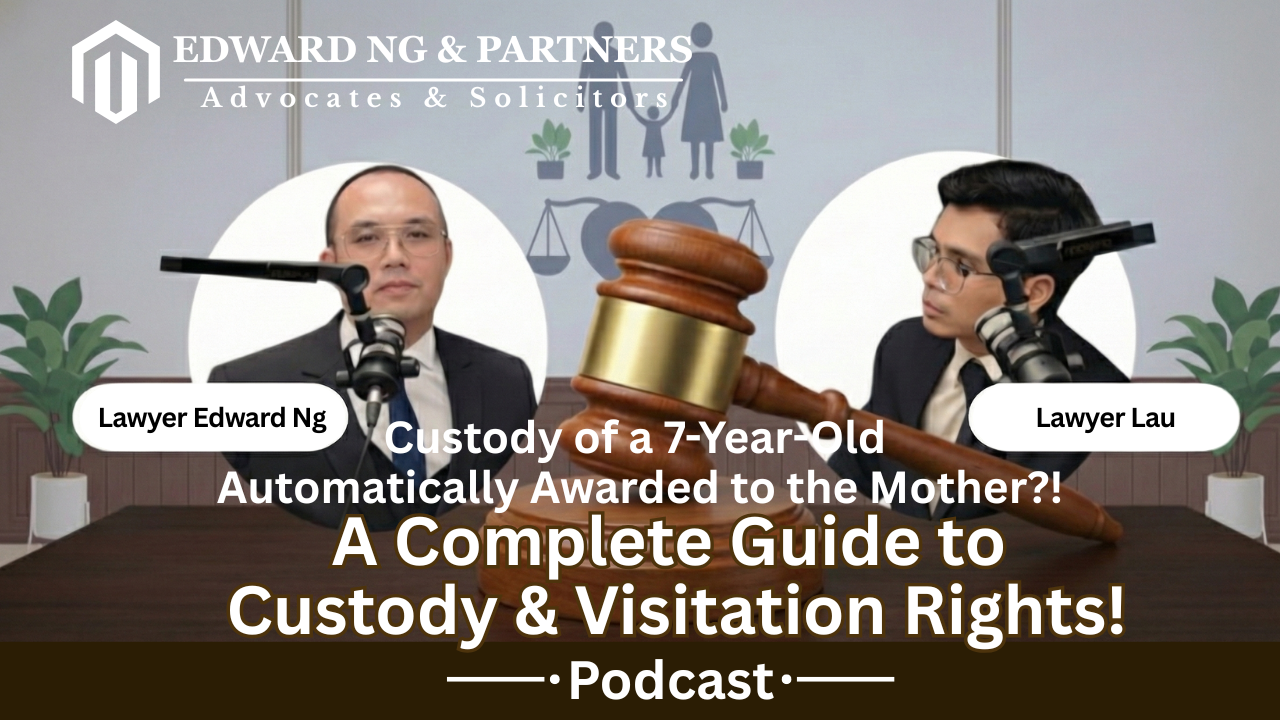
Custody of a 7-Year-Old Automatically Granted to the Mother!? A Comprehensive Guide to Custody and Visitation Rights!!
Many people, when they hear the term “custody,” automatically associate it with divorce. However, in reality, custody issues are often more urgent and need to be addressed first—especially when the parents’ relationship has already broken down, or they have been separated for a long time, and one party is being…

Understanding the Special Commissioners and Tax Appeal Hearings in Malaysia
Most Malaysians know that you can appeal your tax assessment if you think the Inland Revenue Board (LHDN) got it wrong. But many people do not know who actually decides those appeals and how the hearings work. This article explains , in plain language , the roles, procedures, and powers…

Understanding How a Tax Appeal Works in Malaysia
What Happens After You File a Tax AppealWhen a taxpayer disagrees with a tax assessment issued by the Inland Revenue Board (LHDN), the case can eventually go before a special panel known as the Special Commissioners of Income Tax. Think of them as the “judges” of Malaysia’s tax world —…
How to Appeal Your Income Tax Assessment in Malaysia — A Simple Guide
When you file your taxes, you expect the Inland Revenue Board (LHDN) to process your return correctly. But sometimes, you may receive a notice of assessment that you believe is wrong — maybe your income was overstated, or a deduction was missed. The Malaysian Income Tax Act 1967 gives you…

Understanding the Special Commissioners of Income Tax (SCIT) in Malaysia
The Special Commissioners of Income Tax (SCIT) serve as an independent tribunal established under the Income Tax Act 1967. Often regarded as Malaysia’s “tax court,” the SCIT is the first level of appeal for taxpayers who wish to challenge assessments made by the Inland Revenue Board (Lembaga Hasil Dalam Negeri,…

Save Tax with Industrial Building Allowance (IBA) | Malaysia Tax Law
Understanding Industrial Building Allowance (IBA) Under the Malaysian Income Tax Act 1967The Industrial Building Allowance (IBA) is one of the key tax incentives available to businesses in Malaysia. It allows companies to reduce their taxable income by claiming deductions for the cost of constructing or purchasing qualifying industrial buildings. This…