

Compelling Specific Performance of Contracts in Malaysia | What to Do If the Developer Delays Handover?
You’ve paid the deposit, secured the loan, and signed the contract, yet you still haven’t received the keys to the house? Beyond seeking compensation, there is another legal remedy available: specific performance.
Malaysia Birth Registration Q&A | Guide to Obtaining a Birth Certificate
How soon after the baby is born must the birth be registered? What documents are required? What happens if the 60-day deadline is missed? Today, we clarify the common questions regarding birth registration in Malaysia.
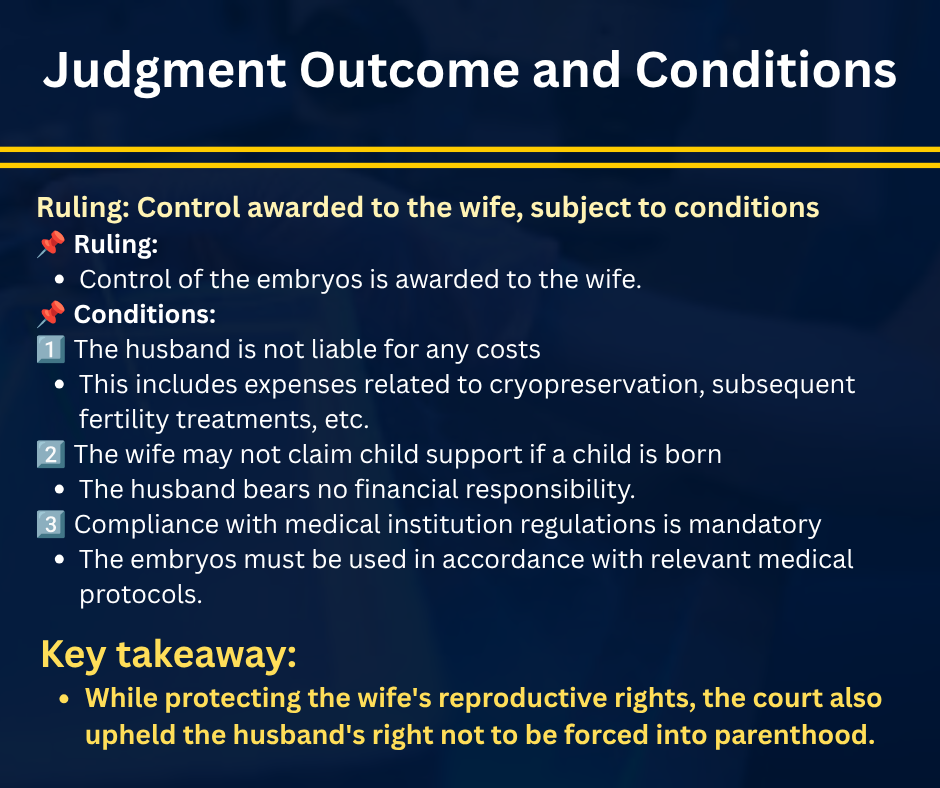
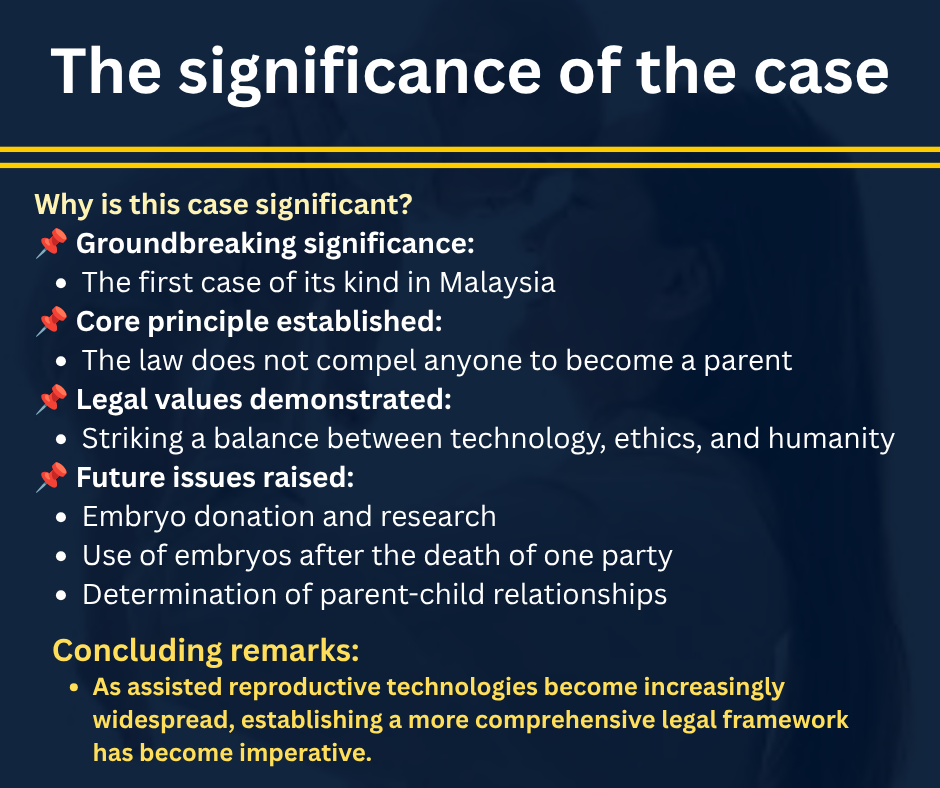
Malaysia's First Embryo Legal Precedent | Who Gets the Frozen Embryos After Divorce?
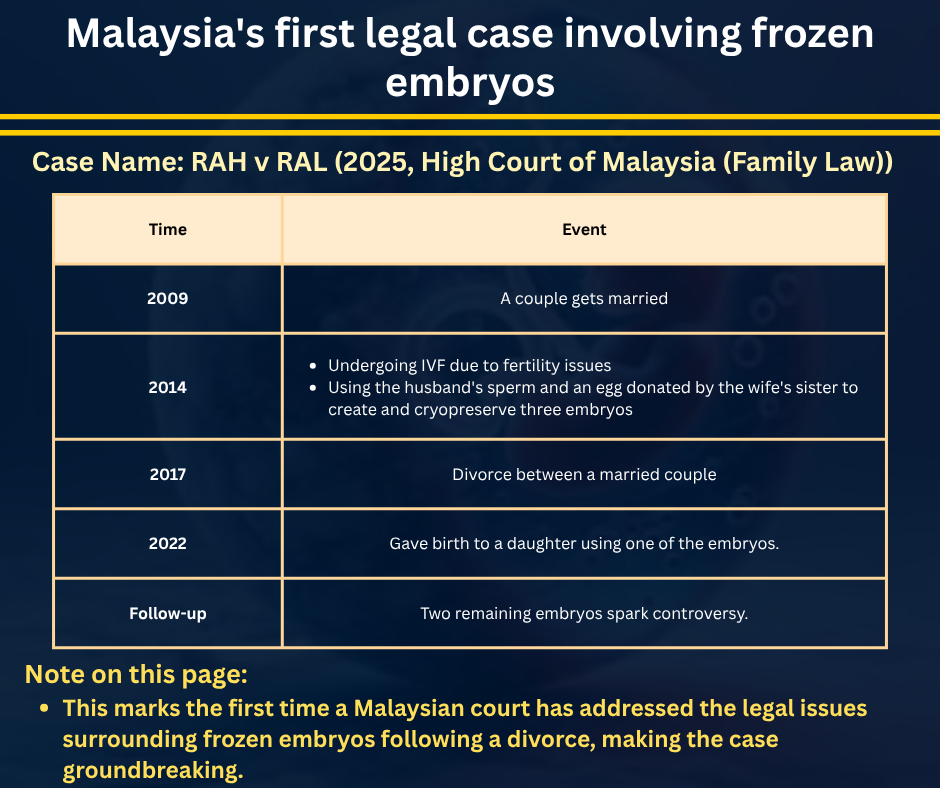
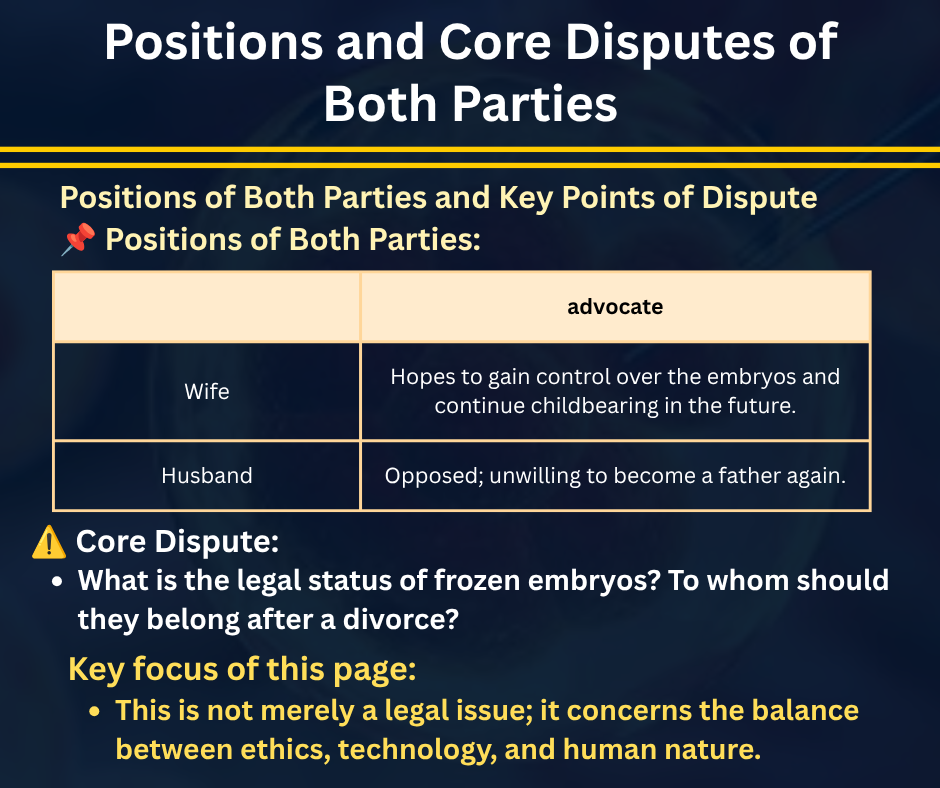
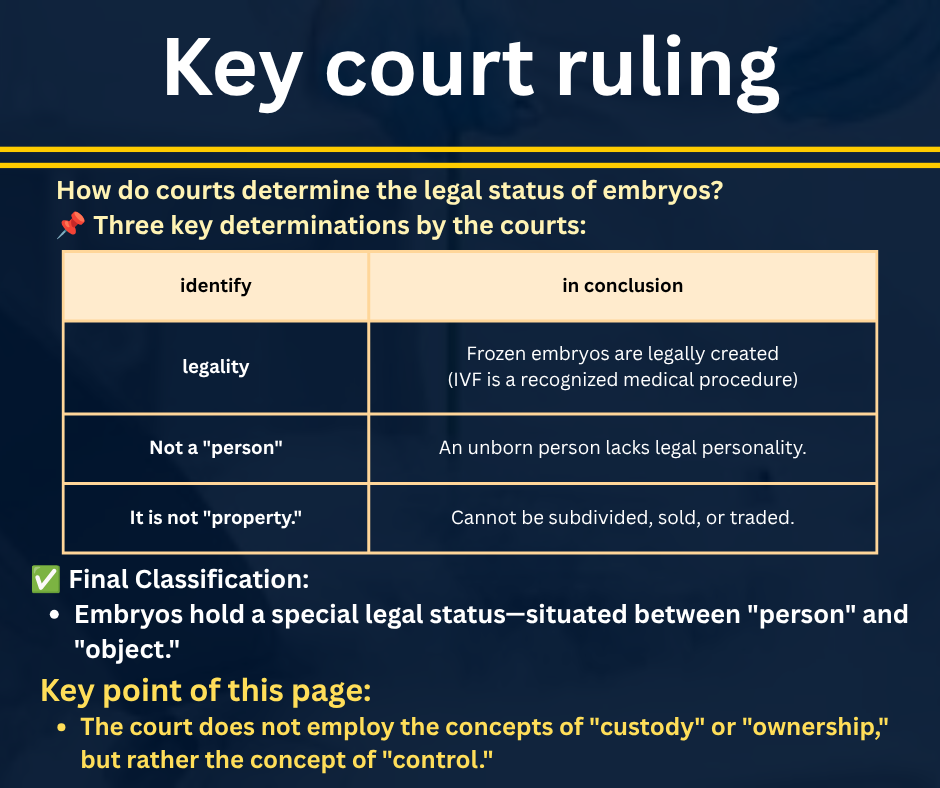
Who gets the frozen embryos after a divorce? Are they considered “persons” or “property”? In 2025, the Malaysian Family High Court addressed this issue for the first time.
The Legal Status of Surrogacy in Malaysia | An Analysis of the Legal Framework, Risks, and Practice
Want to adopt a child through legal channels but don’t know where to start? Today, we’ve compiled the most common questions about adoption—everything you need to know, explained in one article.
A Guide to Adoption Laws in Malaysia | Top 20 Frequently Asked Questions About Adopting a Child
Want to adopt a child through legal channels but don’t know where to start? Today, we’ve compiled the most common questions about adoption—everything you need to know, explained in one article.
Assisted Reproductive Technology Laws in Malaysia | Legal Analysis of Frozen Embryo Disposition
How should frozen embryos be handled—whether through implantation, donation, continued storage, or destruction? This issue involves not only legal rulings but also questions of morality, ethics, and individual beliefs.
Two Methods of Divorce in Malaysia | Mutual Consent Divorce vs. Unilateral Divorce
What is the difference between a divorce by mutual agreement and a unilateral divorce (divorce via litigation)? The primary difference lies in whether both parties have already settled all the terms of the divorce.

An Overview of Divorce Law in Malaysia - How do I apply for a unilateral divorce? (Single Petition Divorce)
Divorce is not as simple as just “signing a paper.” What is the difference between a mutually agreed divorce and a unilateral divorce? Today’s article explains it all.

Malaysia Divorce Q&A - Mutual Consent Divorce (Divorce by Mutual Agreement) Joint Petition Divorce - How do I go about it?
What are the requirements for a divorce by mutual consent? Can the process be handled if one party is abroad? Can alimony be modified after the divorce? This article explains it all.

An Overview of Prenuptial Agreements in Malaysia - Are prenuptial agreements useful?
Are prenuptial agreements valid in Malaysia? Will the courts definitely enforce them? Here is a clear explanation.

An Overview of Malaysian Marriage Laws - Annulment of Marriage vs Divorce
Can you end a marriage that has lasted less than two years? Many people’s first reaction is “no.” In reality, the answer is “yes”—but you have to choose the right approach.

An Overview of Divorce Law in Malaysia - 3 Essential Plans to Make Before Divorcing
Many people ask, “Can I get a divorce right away?” The answer is simple: Yes, but you must plan for it first.

Division of Matrimonial Assets upon Divorce in Malaysia - How do I claim alimony after a divorce?
Can you still claim living expenses after a divorce? Can the amount be paid in a lump sum? Must an inherited house be shared? Today, we explain everything you need to know about post-divorce maintenance and asset division in Malaysia.

An Overview of Spousal and Child Maintenance in Malaysia - How do I claim spousal support during the marriage?
What can you do if your husband refuses to provide living expenses? Can the money be deducted directly from his salary? Can you still pursue the claim if he is abroad? Today, we explain the laws regarding spousal maintenance in Malaysia.

Laws Regarding Extramarital Affairs in Malaysia - What should you do if your partner cheats?
Suspect your partner of cheating? Can WeChat records serve as evidence? Can you claim compensation? Today’s article explains the laws regarding extramarital affairs in Malaysia.

An Overview of Laws on Domestic Violence in Malaysia - How can you protect yourself if you are experiencing domestic violence?
Domestic violence is not limited to physical abuse; verbal abuse, threats, and emotional abuse (such as the “silent treatment”) also constitute domestic violence. Malaysian law provides specific procedures to protect victims of domestic violence.

An Overview of Mediation Exemptions in Malaysia - How can one obtain a divorce unilaterally?(Single Petition)
Many people have heard that getting a divorce requires three visits to the JPN (National Registration Department)—is this true? Today, we’ll clear everything up: What is a mediation exemption, and how do you apply for it?

An Overview of Laws on Foreigners Adopting Children in Malaysia - Essential Information on Adopting a Child from Malaysia
Can foreigners adopt children in Malaysia? What procedures are required to bring the child back to their home country after adoption? This article explains everything clearly.

An Introduction to Malaysian Law - Don't want a divorce, but want to divide assets and secure custody?
Don’t want to divorce, yet don’t want to live with your spouse? Is it possible to live apart, divide assets, and receive maintenance? Yes. Malaysian law provides for a procedure known as “judicial separation.”

Child Custody/Divorce Proceedings in Malaysia - A must-read before taking your children abroad!
What should you do if, during divorce proceedings, one party wants to take the child abroad but the other disagrees? Today’s article explains the key aspects of Malaysia’s “child travel ban.”

An Overview of Child Custody in Malaysia - How do you fight for child custody?
For many people, the term “child custody” automatically brings divorce to mind. In reality, however, custody issues are often more urgent than the divorce itself—especially when the parental relationship has broken down, one parent is prevented from seeing the child, or a parent is kept in the dark about the…

FAQ on Adoption Laws in Malaysia - Must-Read for Adopters’ Prospective Top 12 Frequently Asked Questions
In Malaysia, adoption is not simply a matter of deciding to adopt whenever you wish; rather, it is a legal process centered on the best interests of the child. Here, we have compiled 12 frequently asked questions to explain the process clearly in a single article.